Blog

  • How Smart Thermostats Can Reduce Your Electricity Bills
    How Smart Thermostats Can Reduce Your Electricity Bills

    Heating and cooling are among the biggest contributors to household electricity bills. Whether you rely on air conditioning during hot summers or heating systems in colder months, keeping your home comfortable often comes at a cost. Many families are surprised to discover that a large portion of their monthly energy bill comes from heating or cooling rooms that are empty for much of the day.

    Think about a typical weekday. Everyone leaves for work or school in the morning, yet the air conditioner or heating system may continue running for hours in an empty house. Later, someone remembers to adjust the temperature before bedtime, while on other days it is forgotten completely. These small habits may not seem important, but over weeks and months they can add significantly to electricity costs.

    This is where smart thermostats make a difference. Unlike traditional thermostats that require manual adjustments, smart thermostats learn your daily routine, allow remote control through a smartphone, and automatically adjust temperatures when they are not needed. The result is a home that stays comfortable while using energy more efficiently.

    Over the past few years, smart thermostats have become more affordable and easier to install. They are now considered one of the most practical smart home upgrades because they combine convenience, comfort, and long-term savings. Whether you live in a house or an apartment with a compatible heating or cooling system, understanding how these devices work can help you make better decisions about managing your home’s energy use.

    Understand How Smart Thermostats Work

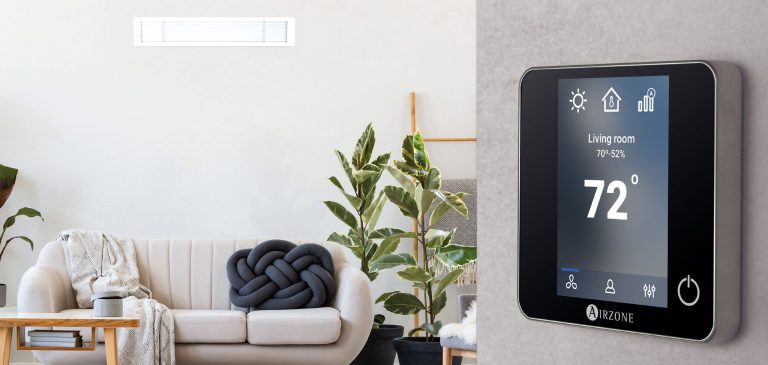
    At first glance, a smart thermostat looks similar to a traditional one. It displays the current temperature and allows you to choose your preferred setting. The real difference lies in what happens behind the scenes.

    Instead of simply maintaining one fixed temperature all day, a smart thermostat can follow a schedule based on your daily routine. For example, it may cool your home before you wake up, reduce energy use after everyone leaves for work, and return to a comfortable temperature shortly before you arrive home in the evening.

    Many smart thermostats also connect to your home’s Wi-Fi network. This allows you to control the temperature from almost anywhere using a smartphone or tablet. If you leave home and forget to adjust the air conditioning, you can easily change the settings without returning.

    Some advanced models even learn your habits over time. After observing when you usually wake up, leave home, and go to bed, they automatically create schedules that improve comfort while reducing unnecessary energy use.

    Many devices also use occupancy sensors or your phone’s location to detect whether anyone is home. If the house is empty, the thermostat adjusts the temperature to save electricity. When you begin your journey home, it prepares the house so it feels comfortable by the time you arrive.

    This combination of automation and intelligent scheduling helps reduce wasted energy without requiring constant manual adjustments.

    Save Energy Without Giving Up Comfort

    Many people assume that saving electricity means living in an uncomfortable home. Smart thermostats prove that this does not have to be the case.

    Imagine leaving for work on a warm summer morning. Instead of keeping the air conditioner running at full power all day, the thermostat raises the temperature slightly while the house is empty. About thirty minutes before you return home, it begins cooling the rooms again so everything feels comfortable when you walk through the front door.

    During winter, the same principle applies to heating. The thermostat reduces heating while nobody is home and restores comfortable temperatures before family members return.

    Nighttime also presents an opportunity for energy savings. Many people sleep comfortably at slightly different temperatures than they prefer during the day. A smart thermostat automatically adjusts the temperature overnight and returns it to normal before everyone wakes up.

    Seasonal weather changes become easier to manage as well. Instead of constantly adjusting settings, the thermostat responds automatically based on schedules, outdoor conditions, or your preferences.

    Some smart thermostats even provide monthly energy reports. These reports show how much energy has been used, when heating or cooling was most active, and where adjustments could improve efficiency. This information helps homeowners understand their habits and identify additional opportunities to reduce electricity bills.

    Because the system only uses as much energy as necessary, comfort and efficiency work together rather than competing with each other.

    Features That Make Everyday Life Easier

    One reason smart thermostats have become so popular is that they offer much more than automatic scheduling. They simplify everyday life in many practical ways.

    Remote control is one of the most useful features. Imagine returning home early from a vacation during extremely hot weather. Before arriving, you can use your smartphone to cool the house so it feels comfortable the moment you walk inside.

    Voice control adds another level of convenience. If your thermostat is compatible with a smart speaker, you can simply ask it to increase or decrease the temperature without leaving your chair.

    Vacation mode is another valuable feature. Instead of running your heating or cooling system normally while the house is empty for several days, the thermostat switches to an energy-saving setting until you return.

    Many models also send reminders when air filters need replacing. Clean filters improve airflow, help heating and cooling systems operate more efficiently, and may even extend the life of your equipment.

    Some advanced thermostats monitor indoor humidity in addition to temperature. Maintaining comfortable humidity levels improves indoor comfort while helping heating and cooling systems work more efficiently.

    Smart home integration is another growing advantage. Thermostats can communicate with smart blinds, lighting systems, occupancy sensors, and other connected devices. For example, smart blinds may close automatically during hot afternoons, reducing the amount of heat entering your home and allowing the air conditioner to work less.

    These features save time while making home climate control much simpler than traditional manual adjustments.

    Choose the Right Thermostat for Your Home

    Before buying a smart thermostat, it is important to check whether it is compatible with your existing heating and cooling system. While many modern systems support smart thermostats, older equipment may require additional accessories or professional installation.

    Ease of use should also be an important consideration. A thermostat with a clear display, simple controls, and an easy-to-use mobile app often provides a better experience than one with complicated menus and unnecessary features.

    Think about how your household uses heating and cooling. Families with predictable daily routines may benefit most from scheduling features, while people who travel frequently often appreciate remote control and vacation mode.

    Energy reports can also become valuable over time. Reviewing these reports helps you understand seasonal changes in electricity use and encourages more efficient habits without sacrificing comfort.

    Do not expect dramatic savings overnight. The greatest benefits appear gradually as the thermostat learns your routine and your family becomes accustomed to using its features effectively. Combined with proper home insulation, regular maintenance of heating and cooling equipment, and sensible temperature settings, a smart thermostat becomes part of a broader strategy for reducing energy costs.

    It is also worth remembering that technology alone cannot solve every energy problem. Leaving doors or windows open while heating or cooling the house still wastes energy. Good habits remain just as important as smart devices.

    In the end, a smart thermostat is much more than a digital temperature control. It is a practical tool that helps your home become more comfortable, efficient, and environmentally friendly. By learning your daily routine, adjusting temperatures automatically, allowing remote control, providing energy reports, and reducing unnecessary heating and cooling, it helps lower electricity use without making daily life more complicated.

    Whether you are building a smart home or simply looking for ways to reduce monthly utility bills, a smart thermostat is one of the most worthwhile investments you can make. Over time, the combination of improved comfort, lower energy consumption, and greater convenience creates benefits that extend well beyond your electricity bill, making your home smarter, more efficient, and better prepared for the future.

  • Home Security Technology: Smart Cameras, Locks, and Sensors Explained

    Home Security Technology: Smart Cameras, Locks, and Sensors Explained

    Home is the place where we should feel the safest. It is where we relax after a long day, spend time with family, and keep the things that matter most to us. As technology has advanced, protecting our homes has become easier than ever before. Instead of relying only on traditional locks and alarms, modern homeowners can now monitor their property from almost anywhere using smart security devices connected to the internet.

    Imagine receiving a notification on your phone when someone rings your doorbell while you are at work. You open an app, see who is outside through a live video feed, and speak with the visitor without being at home. Or picture leaving for vacation and checking your security cameras whenever you want to make sure everything is safe. These features are no longer limited to expensive security systems. Smart home security has become more affordable, easier to install, and suitable for homes of all sizes.

    At first, the variety of security products can feel overwhelming. There are smart cameras, video doorbells, smart locks, motion sensors, window sensors, and many other connected devices. The good news is that you do not need to understand complicated technology to use them. Most modern systems are designed to be simple enough for beginners while providing reliable protection.

    The goal of smart home security is not to make your home feel like a fortress. It is to provide peace of mind by helping you stay informed about what is happening around your property, whether you are at home or away.

    Smart Cameras Help You Keep an Eye on Your Home

    Smart security cameras are often the first devices people choose when building a home security system. They allow you to see live video from your smartphone, tablet, or computer at any time.

    Indoor cameras are useful for monitoring living areas, checking on pets, or making sure children arrive home safely after school. Many models include two-way audio, allowing you to speak with family members or comfort a pet even when you are not in the house.

    Outdoor cameras are designed to handle changing weather conditions while monitoring entrances, driveways, gardens, and other areas around your property. Their visible presence alone may discourage unwanted visitors from approaching your home.

    Many smart cameras include motion detection. Instead of recording continuously, they can notify you only when movement is detected. This reduces unnecessary recordings while making it easier to review important events.

    Night vision is another valuable feature. Even in complete darkness, many modern cameras provide clear images that help you monitor your property throughout the night.

    Some cameras also recognize the difference between people, vehicles, animals, and general movement. This reduces false alerts caused by blowing leaves or passing wildlife, allowing you to focus on events that truly matter.

    While cameras improve security, they should be positioned thoughtfully. Point them toward entrances, driveways, and shared outdoor areas while respecting the privacy of neighbors and public spaces.

    Smart Locks Make Access Easier and More Secure

    Traditional door locks have protected homes for generations, but smart locks add convenience without replacing the basic purpose of securing your home.

    Instead of carrying physical keys everywhere, smart locks allow homeowners to unlock doors using smartphones, fingerprints, access codes, or key cards depending on the model. This is especially useful when your hands are full of groceries or when family members arrive home at different times.

    Temporary access codes are one of the most practical features. If a friend, house cleaner, pet sitter, or repair technician needs temporary entry, you can create a unique code that works only during certain hours or on specific days. Once the visit is complete, the code can be removed without changing the lock itself.

    Many smart locks also send notifications whenever the door is locked or unlocked. This helps homeowners know when children return from school or when someone enters the house during the day.

    Automatic locking is another helpful feature. If you accidentally leave the house without locking the door, some smart locks secure it automatically after a set amount of time. Others allow you to check the lock status remotely and lock the door using your smartphone if necessary.

    Despite these advanced features, most smart locks still include a traditional key as a backup. This ensures you can always access your home if your phone battery runs out or your internet connection becomes temporarily unavailable.

    Like every connected device, smart locks should be protected with strong passwords and updated software to maintain security and reliability.

    Sensors Add Another Layer of Protection

    While cameras and locks often receive the most attention, sensors quietly play an equally important role in modern home security systems.

    Door and window sensors monitor whether an entrance has been opened or closed. If someone opens a protected door or window unexpectedly, the system immediately sends an alert to your smartphone.

    Motion sensors detect movement inside rooms, hallways, or entryways. They are particularly useful when the house is empty or during nighttime hours. If unexpected movement occurs, the system can trigger notifications or activate alarms.

    Glass break sensors provide additional protection by detecting the sound or vibration of breaking windows. This can help identify forced entry even if a door remains locked.

    Modern home security systems often include environmental sensors as well. Smoke detectors connected to smart home systems send alerts if smoke is detected, even when nobody is home. Carbon monoxide detectors monitor dangerous gas levels, while water leak sensors help identify plumbing problems before they cause expensive damage.

    Some homeowners also install smart garage door sensors that report whether the garage door is open or closed. If the door is accidentally left open, it can often be closed remotely using a smartphone.

    Together, these sensors create multiple layers of awareness throughout the home. Instead of relying on one device, each sensor contributes information that helps homeowners respond quickly to unusual situations.

    Build a Security System That Fits Your Home

    One of the biggest advantages of modern home security technology is its flexibility. You do not need to install every available device on the first day. The most effective systems usually grow gradually based on your home’s needs and your budget.

    Start by identifying the areas that matter most. For many homeowners, the front door becomes the first priority. A smart video doorbell or outdoor security camera provides immediate visibility while helping monitor deliveries and visitors.

    Next, consider the main entrances and frequently used windows. Door and window sensors add another layer of protection without requiring complicated installation.

    As your system grows, you can add indoor cameras, smart locks, motion sensors, and environmental detectors where they provide the greatest value. Because many modern devices work together through the same mobile app, managing the entire system becomes simple.

    Reliability should always be a priority. Choose devices from trusted manufacturers, keep their software updated, and use strong passwords for every account. Enabling two-factor authentication whenever available adds another level of protection against unauthorized access.

    It is also important to remember that technology works best alongside good security habits. Locking doors and windows, keeping outdoor areas well-lit, trimming bushes near entrances, and getting to know your neighbors all contribute to a safer home.

    Finally, think about your family’s daily routine. Parents may value notifications when children return home. Frequent travelers may prefer outdoor cameras and smart locks. Pet owners might choose indoor cameras to check on animals while away. The best security system is the one that matches your lifestyle rather than simply including the largest number of devices.

    In the end, home security technology is about much more than cameras and alarms. It is about creating confidence and peace of mind. Smart cameras allow you to monitor your property from anywhere, smart locks simplify secure access, and sensors quietly watch over doors, windows, movement, smoke, water leaks, and more. Together, these devices create a connected security system that keeps you informed without making everyday life more complicated.

    Whether you begin with a single smart camera or gradually build a complete security system, each thoughtful upgrade makes your home safer, more convenient, and better prepared for the future. The greatest benefit is not simply protecting your property. It is knowing that wherever life takes you, your home is never more than a quick glance away.

  • Home Wi-Fi Optimization: Simple Ways to Improve Speed and Coverage

    Home Wi-Fi Optimization: Simple Ways to Improve Speed and Coverage

    Few things are more frustrating than slow internet when you are trying to work, attend an online meeting, stream a movie, or play an online game. One moment everything is working perfectly, and the next, videos start buffering, web pages refuse to load, or your Wi-Fi signal suddenly disappears in another room. In many homes, the internet service itself is not the real problem. Instead, the way the home Wi-Fi network is set up often affects speed and coverage.

    Today, almost every household depends on Wi-Fi. Smartphones, laptops, tablets, smart televisions, security cameras, gaming consoles, and smart home devices all share the same wireless network. As the number of connected devices grows, a poorly planned Wi-Fi setup can quickly become overloaded.

    The good news is that improving your home Wi-Fi does not always require buying expensive new equipment. In many cases, small changes to your router’s location, network settings, or device placement can noticeably improve both speed and signal strength.

    Whether you live in a small apartment or a large multi-story house, understanding a few basic principles can help you enjoy faster internet, better coverage, and a more reliable connection throughout your home.

    Start by Finding the Best Place for Your Router

    Imagine trying to light every room in your home with a single lamp hidden inside a cupboard. No matter how bright the lamp is, the light cannot spread properly. Wi-Fi signals work in a similar way. Even a powerful router cannot perform well if it is placed in the wrong location.

    Many people install their router wherever the internet cable enters the house. This often means the router ends up in a corner, inside a cabinet, behind a television, or even on the floor. Unfortunately, these locations block wireless signals and reduce coverage.

    A better approach is to place the router in a central location where the signal can spread evenly in all directions. Positioning it on a shelf or table, rather than on the floor, usually improves performance because Wi-Fi signals travel more effectively without obstacles.

    Large metal objects, thick concrete walls, mirrors, refrigerators, and large furniture can weaken wireless signals. Keeping the router away from these barriers helps improve both speed and reliability.

    If your home has multiple floors, placing the router near the center of the house often provides better overall coverage than locating it at one end. In some cases, slightly adjusting the router’s position by only a few feet can noticeably improve signal strength in several rooms.

    Taking a few minutes to experiment with different locations is one of the easiest and most effective ways to improve your home Wi-Fi without spending any money.

    Reduce Interference and Improve Wireless Performance

    Wi-Fi signals share the air with many other wireless devices. Microwave ovens, cordless phones, baby monitors, Bluetooth accessories, and even neighboring Wi-Fi networks can sometimes interfere with your connection.

    Modern routers usually operate on two wireless frequency bands. The 2.4 GHz band provides longer range and works well through walls, making it useful for devices located farther from the router. However, because many devices use this frequency, it can become crowded in busy neighborhoods.

    The 5 GHz band offers faster speeds but covers a shorter distance. It is often the better choice for streaming high-definition videos, online gaming, and video calls when devices are located relatively close to the router.

    Many newer routers automatically select the best frequency for each connected device. If yours allows manual selection, experimenting with both bands may help improve performance depending on where you use your devices.

    Restarting the router occasionally can also solve temporary performance issues. Like computers and smartphones, routers benefit from an occasional restart to clear temporary memory and refresh network connections.

    Keeping your router’s software updated is equally important. Manufacturers regularly release firmware updates that improve performance, increase security, and fix software issues. Installing these updates helps your network remain reliable and protected.

    It is also helpful to disconnect devices that are no longer being used. Old phones, unused tablets, or forgotten smart devices may continue using network resources even when you are not actively using them.

    These simple adjustments help your wireless network perform more efficiently while reducing unnecessary interruptions.

    Expand Coverage for Larger Homes

    In smaller apartments, one router may easily provide complete coverage. Larger homes, however, often contain areas where the Wi-Fi signal becomes weak or disappears entirely.

    Before buying new equipment, identify where the weak signal occurs. Many smartphones include Wi-Fi signal indicators, and several free apps allow you to measure signal strength in different parts of your home. This helps you understand exactly where coverage needs improvement.

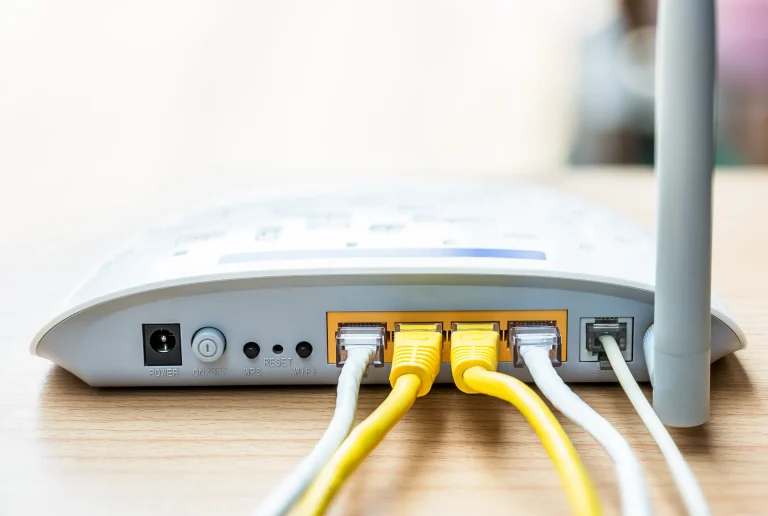
    If one router cannot reach every room, a Wi-Fi range extender may help. These devices receive the existing wireless signal and retransmit it to areas with weaker coverage. They are often useful for bedrooms, home offices, garages, or outdoor spaces that are too far from the main router.

    For larger houses with multiple floors, a mesh Wi-Fi system often provides a better solution. Instead of relying on one powerful router, mesh systems use several connected units placed throughout the home. Together they create one seamless wireless network, allowing your devices to move between rooms without losing connection.

    Using wired Ethernet connections for stationary devices can also improve overall Wi-Fi performance. Desktop computers, gaming consoles, and smart televisions often work even better when connected directly to the router with a network cable. This reduces wireless traffic and leaves more Wi-Fi capacity available for mobile devices.

    If you frequently work from home or attend video meetings, placing your workspace closer to the router can significantly improve call quality and download speeds.

    The goal is not simply to make the Wi-Fi signal stronger. It is to create reliable coverage wherever you actually use the internet.

    Build a Faster and More Reliable Home Network

    Optimizing your Wi-Fi is not something you do only once. As your household grows and new devices are added, your network may need occasional adjustments to maintain its performance.

    Begin by checking whether your internet speed matches the plan you are paying for. If every optimization still results in slow speeds, your internet service itself may need an upgrade to support your family’s growing needs.

    Protecting your network is equally important. A strong Wi-Fi password prevents unauthorized users from connecting to your network and consuming valuable bandwidth. Using modern security standards and changing default router passwords also helps keep your network secure.

    Smart home devices continue becoming more common, from security cameras and smart speakers to lighting systems and thermostats. As these devices increase, choosing a router capable of handling many simultaneous connections becomes more important than simply looking at maximum advertised speeds.

    Avoid placing unnecessary demands on your network whenever possible. Large software downloads, cloud backups, and video streaming on multiple devices at the same time naturally require significant bandwidth. Scheduling some of these activities during quieter hours may improve the experience for everyone in the household.

    Most importantly, remember that the most expensive router is not always the best solution. Proper placement, regular maintenance, updated software, and thoughtful network management often produce greater improvements than replacing equipment too quickly.

    In the end, a fast and reliable home Wi-Fi network is built through a combination of good planning and simple habits. Positioning your router correctly, reducing wireless interference, using the appropriate frequency bands, keeping firmware updated, expanding coverage when necessary, and protecting your network all contribute to a better online experience.

    Whether you are working from home, attending virtual classes, streaming your favorite shows, playing online games, or managing a growing collection of smart home devices, a well-optimized Wi-Fi network makes everyday life smoother and more enjoyable. With just a few practical adjustments, you can transform frustrating internet problems into a stable, reliable connection that keeps your entire household connected throughout the day.

  • Best Smart Lighting Systems for Comfort and Energy Savings

    Best Smart Lighting Systems for Comfort and Energy Savings

    Lighting has always been an important part of every home. It helps us work, cook, read, relax, and spend time with family. But today’s lighting can do much more than simply brighten a room. Modern smart lighting systems allow homeowners to control lights with a smartphone, use voice commands, create automatic schedules, and even adjust brightness and color to match different activities.

    Imagine waking up to soft lighting that gradually becomes brighter instead of being startled by a loud alarm. In the evening, your living room lights automatically become warmer and dimmer as you prepare to relax. When you leave home, every light switches off automatically without you having to check each room. These small conveniences not only make everyday life easier but also help reduce unnecessary electricity use.

    Smart lighting has become one of the easiest ways to begin building a smart home. Unlike large renovation projects, many smart lighting products can be installed in just a few minutes without changing your home’s wiring. Whether you own a house or rent an apartment, there are affordable options available for almost every budget.

    The best smart lighting system is not necessarily the most expensive one. It is the one that fits your daily routine, works reliably, and helps create a comfortable home while using energy wisely.

    Understand the Different Types of Smart Lighting

    Before choosing a smart lighting system, it helps to understand the different options available. Each type offers unique advantages depending on your home’s layout and your budget.

    Smart bulbs are the simplest place to start. They replace ordinary light bulbs and connect to your home’s Wi-Fi or a compatible smart home system. Once installed, you can turn them on or off remotely, adjust brightness, create schedules, and in many models, even change colors using a smartphone or voice assistant.

    Smart light switches offer another approach. Instead of replacing every bulb, they replace the wall switch itself. This allows you to control existing light fixtures while continuing to use regular light bulbs. Smart switches are especially useful in rooms with several lights controlled by one switch.

    Smart light strips have become increasingly popular for decorative lighting. They can be placed behind televisions, under kitchen cabinets, along staircases, or around shelves to create a modern and welcoming atmosphere. Many light strips allow users to choose from millions of colors and different lighting effects.

    Motion-sensor lights are another practical option. They automatically turn on when someone enters a room and switch off after a certain period of inactivity. These lights work well in hallways, bathrooms, garages, and outdoor pathways where lights are often left on accidentally.

    Outdoor smart lighting also improves both convenience and security. Garden lights, driveway lights, and porch lights can automatically switch on at sunset and turn off before sunrise, helping save electricity while making your home safer during the evening.

    Choosing the right combination of these lighting options allows you to build a system that matches your home without unnecessary spending.

    Create Comfortable Lighting for Every Part of Your Home

    One of the greatest advantages of smart lighting is the ability to adjust your home’s atmosphere throughout the day. Different activities require different types of light, and smart systems make these changes effortless.

    The living room often benefits from flexible lighting. Bright lighting works well for reading, cleaning, or family activities, while softer lighting creates a cozy environment for watching movies or relaxing after work. With smart lighting, switching between these settings takes only a simple voice command or a tap on your phone.

    Bedrooms become much more comfortable with adjustable lighting. Instead of suddenly switching on bright lights in the morning, smart bulbs can slowly increase their brightness, creating a more natural way to wake up. In the evening, warm, dim lighting helps create a calm atmosphere before bedtime.

    The kitchen usually requires brighter lighting for preparing meals safely. Under-cabinet smart light strips improve visibility while adding a modern appearance to the space. During family dinners, the brightness can easily be reduced to create a more comfortable dining experience.

    Home offices also benefit from adjustable lighting. Bright white light often supports concentration during work hours, while softer lighting helps reduce eye strain once the workday ends.

    Bathrooms, stairways, and hallways become safer with motion-activated lighting that turns on automatically during nighttime without requiring anyone to search for a light switch.

    Outdoor lighting also adds comfort. Pathway lights can guide family members safely after dark, while porch lighting creates a welcoming entrance for visitors and improves visibility for security cameras.

    By matching lighting to each room’s purpose, your home becomes both more comfortable and more practical throughout the day.

    Save Energy Without Sacrificing Comfort

    One reason many homeowners choose smart lighting is its ability to reduce unnecessary energy use while maintaining comfort.

    Traditional lights are often left on by accident when people leave home or move to another room. Smart lighting solves this problem by allowing lights to switch off automatically according to schedules, motion detection, or location-based automation.

    For example, lights can automatically turn off after everyone leaves the house or switch on shortly before family members return home. These simple routines reduce wasted electricity without requiring anyone to remember every light switch.

    Dimming lights also helps lower energy consumption. Many smart bulbs allow brightness to be adjusted according to the activity. Full brightness may only be necessary while reading or working, while lower brightness is often enough for relaxing or watching television.

    Outdoor lighting schedules provide additional savings. Instead of leaving outdoor lights on throughout the night, they can operate only during the hours they are actually needed.

    LED smart bulbs contribute significantly to energy efficiency as well. Compared to older incandescent bulbs, LED technology uses much less electricity while lasting many years before needing replacement. This means lower electricity bills and fewer bulb replacements over time.

    Some smart lighting systems also provide energy usage information through their mobile apps. These reports help homeowners understand how often lights are used and identify opportunities to reduce unnecessary consumption.

    Although smart lighting requires an initial investment, the combination of efficient LED technology, automatic scheduling, and reduced electricity waste often leads to noticeable savings over the long term.

    Choose a System That Can Grow with Your Home

    One common misconception is that every room must become smart immediately. In reality, the best smart lighting systems are usually built gradually.

    Start with the rooms where lighting has the greatest impact on your daily routine. Many homeowners begin with the living room, bedroom, or entrance because these spaces are used most often. Once you become comfortable using smart lighting, expanding to other rooms becomes simple.

    Compatibility should also be an important consideration. Before buying new products, check that they work with your preferred smart home platform and voice assistant. Devices that communicate easily with one another create a smoother experience as your smart home grows.

    Ease of use matters just as much as advanced features. A lighting system should make life simpler, not more complicated. Choose products with reliable mobile apps, straightforward installation, and clear setup instructions.

    You do not need colorful lighting in every room unless it fits your lifestyle. Many homeowners are perfectly satisfied with adjustable white lighting that changes brightness and warmth throughout the day. Others enjoy colorful lighting for entertainment areas, children’s rooms, or holiday celebrations. The right choice depends entirely on how you use your home.

    Regular software updates also help keep smart lighting systems secure and functioning properly. Taking a few minutes to install updates ensures your devices continue working smoothly for years.

    In the end, smart lighting is about much more than controlling lights with your phone. It is about creating a home that feels more comfortable, works more efficiently, and adapts naturally to your daily routine. Smart bulbs, switches, light strips, motion sensors, and outdoor lighting all offer practical ways to improve convenience while reducing unnecessary energy use.

    The most successful smart lighting system is one that quietly works in the background, providing the right light at the right time without requiring constant attention. By starting with a few carefully chosen devices and expanding gradually, you can create a modern lighting system that saves energy, enhances comfort, and makes every room in your home more enjoyable throughout the year.

  • How to Build a Smart Home on a Budget

    How to Build a Smart Home on a Budget

    A smart home may sound like something only wealthy homeowners can afford. Images of voice-controlled lighting, automated security systems, and connected appliances often make people think that building a smart home requires thousands of dollars. Fortunately, that is no longer true. Advances in technology have made smart devices more affordable than ever, allowing almost anyone to enjoy the convenience of home automation without spending a fortune.

    Imagine coming home after work and having your lights turn on automatically. Your favorite music starts playing with a simple voice command, and you can check your front door through your smartphone even while you are away. These features are no longer reserved for luxury homes. Many of them can be added gradually using inexpensive devices that fit almost any budget.

    The secret to building a smart home is not buying every gadget available. Instead, it is choosing practical devices that improve your daily routine while staying within your budget. A well-planned smart home grows step by step, with each new device adding useful features instead of unnecessary complexity.

    Whether you live in a house, an apartment, or a rented home, you can begin your smart home journey with affordable upgrades that make everyday life more comfortable, secure, and efficient.

    Start with the Essentials Instead of Everything

    The biggest mistake many beginners make is trying to automate their entire home all at once. While this may sound exciting, it often leads to unnecessary spending and devices that are rarely used.

    A much better approach is to think about your daily routine. Which tasks do you repeat every day? Perhaps you forget to switch off lights before leaving home. Maybe you want to control appliances without getting up from the sofa. Or you simply want a more convenient way to play music and set reminders.

    A smart speaker is often one of the best places to begin. Besides playing music, it can answer questions, set alarms, create shopping lists, provide weather updates, and control other compatible smart devices. As your collection grows, the smart speaker becomes the central point for managing your connected home.

    Smart plugs are another affordable investment. They allow ordinary appliances such as lamps, coffee makers, fans, or decorative lights to become remotely controllable using a smartphone or voice assistant. Instead of replacing perfectly good appliances, you simply make them smarter.

    Smart bulbs are also an inexpensive way to experience home automation. They allow you to adjust brightness, create schedules, and control lighting from almost anywhere. Installing smart bulbs in frequently used rooms provides immediate convenience without requiring major electrical work.

    These small upgrades are relatively inexpensive but provide noticeable improvements to everyday life while laying the foundation for future expansion.

    Upgrade Your Home One Room at a Time

    Once you have experienced the convenience of basic smart devices, you can slowly expand your system without putting pressure on your budget.

    The living room is often the next logical place to upgrade. A smart television or streaming device allows easy access to movies, music, and online entertainment. If you already own a television, adding an affordable streaming device can provide many smart features without replacing the entire TV.

    In the bedroom, smart lighting creates relaxing evening routines and gentle morning wake-up schedules. Smart plugs can also control bedside lamps or fans automatically.

    The kitchen offers several affordable opportunities as well. Smart plugs can automate coffee makers or small appliances, while voice assistants can help with timers, recipes, shopping lists, and cooking measurements.

    Bathrooms usually require fewer smart upgrades, but motion-activated lighting can improve convenience during nighttime visits without leaving lights on unnecessarily.

    If you have outdoor space, consider adding smart outdoor lighting or a simple smart security camera. These devices improve both convenience and peace of mind while often requiring only a Wi-Fi connection and a smartphone.

    By upgrading one room at a time, you spread the cost over several months while giving yourself time to learn how each new device fits into your daily routine.

    Save Money While Making Your Home Smarter

    One surprising benefit of smart home technology is that it can actually help reduce household expenses over time.

    Smart lighting automatically switches lights off when they are no longer needed, helping reduce electricity use. Scheduling lights also prevents them from remaining on accidentally throughout the day.

    Smart thermostats, while requiring a slightly larger investment, often help lower heating and cooling costs by adjusting temperatures according to your schedule. Instead of running continuously, they learn your routine and use energy more efficiently.

    Smart power strips and plugs also help reduce standby electricity consumption by turning off electronics that continue drawing power even when not in use.

    Before buying expensive smart appliances, ask yourself whether your current appliance still works well. Often, adding a smart plug to an existing fan, lamp, or coffee maker provides similar convenience for a much lower cost.

    Watching for seasonal sales, holiday discounts, and bundle offers can also significantly reduce the cost of building a smart home. Since smart home technology continues becoming more popular, affordable options are available throughout the year.

    It is also wise to focus on quality rather than buying the cheapest available product. Reliable devices may cost slightly more initially, but they often last longer, receive better software updates, and provide a smoother user experience.

    Remember that every smart purchase should solve a real problem. If a device adds convenience without providing meaningful value, it may not be worth the investment.

    Build a Connected Home That Grows with You

    One of the greatest advantages of modern smart homes is their flexibility. You do not need a complete system from the beginning because technology allows you to expand gradually as your needs change.

    Before purchasing new devices, check that they are compatible with your existing smart home platform. Choosing products that work together makes future automation much easier and avoids frustration later.

    As your collection grows, you can begin creating simple routines. Imagine your evening routine automatically turning on soft lighting, lowering the thermostat, locking smart doors, and playing relaxing music with a single command. In the morning, your lights gradually brighten while your coffee maker starts preparing your first cup of the day.

    Security can also be improved over time. Instead of purchasing an expensive security system immediately, begin with a smart video doorbell or a single indoor camera. Additional cameras, sensors, and smart locks can always be added later when your budget allows.

    Do not forget the importance of protecting your smart home. Using strong passwords, enabling two-factor authentication whenever available, and keeping device software updated helps maintain both privacy and security.

    Most importantly, avoid comparing your home with online videos showing expensive fully automated houses. Those systems were often built over many years. Your smart home should reflect your own lifestyle, priorities, and budget rather than someone else’s.

    In the end, building a smart home is not about owning the newest or most expensive technology. It is about making everyday life easier through thoughtful choices. A smart speaker, a few smart plugs, energy-efficient lighting, basic security devices, and simple automation routines can provide many of the same conveniences found in much larger systems.

    The best part is that you can begin with just one affordable device and expand whenever you are ready. Over time, these small upgrades create a connected home that saves time, improves comfort, increases security, and even helps reduce energy costs. By focusing on practical needs instead of unnecessary gadgets, you can build a smart home that fits both your lifestyle and your budget—one smart decision at a time.

  • Smart Home Devices Every Modern Household Should Consider

    Smart Home Devices Every Modern Household Should Consider

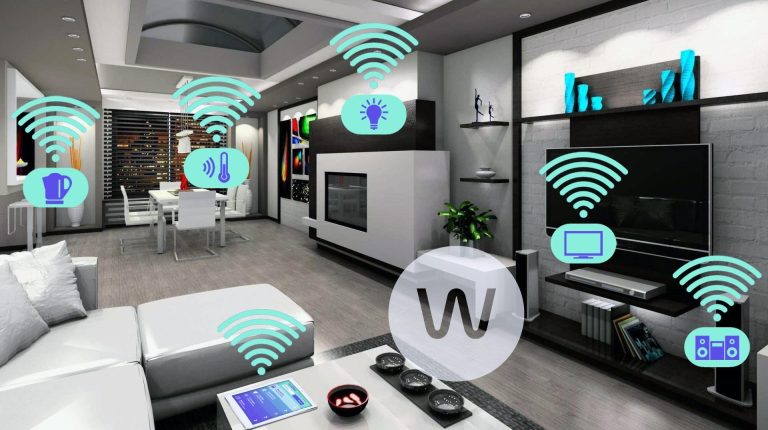
    A few years ago, turning off the lights meant walking to the switch, adjusting the thermostat required getting up from the sofa, and checking who was at the front door meant opening it yourself. Today, technology has changed the way we live at home. With a simple voice command or a tap on a smartphone, you can control lights, lock doors, play music, monitor security cameras, and even start a robot vacuum while you are away.

    Smart home technology is no longer something found only in luxury homes. It has become more affordable, easier to install, and practical for everyday families. Whether you live in a large house, a small apartment, or a rented home, many smart devices can improve convenience, increase security, and even help reduce energy bills.

    At first, smart home products may seem confusing because there are so many options available. Some focus on home security, while others improve comfort or save time by automating daily tasks. The key is not buying every smart gadget on the market. Instead, it is choosing devices that genuinely make your daily life easier.

    If you are thinking about creating a smarter home, understanding the most useful devices is the perfect place to begin. With thoughtful planning, you can gradually build a connected home that works around your lifestyle rather than making life more complicated.

    Begin with Devices You Use Every Day

    The best smart home upgrades are often the simplest ones because they improve everyday routines without requiring major changes.

    Smart speakers are one of the most popular starting points. They allow you to play music, set reminders, ask questions, create shopping lists, check the weather, and control other compatible smart devices using voice commands. Instead of reaching for your phone every time, you can simply speak naturally.

    Smart lighting is another practical upgrade. Smart bulbs allow you to turn lights on or off remotely, adjust brightness, and even schedule lighting based on your daily routine. Imagine waking up to gradually brightening lights in the morning or having your porch lights automatically switch on after sunset.

    Smart plugs offer another affordable way to automate your home. They allow ordinary appliances like lamps, coffee makers, fans, or holiday decorations to become remotely controllable without replacing the devices themselves.

    Smart thermostats have become increasingly popular because they automatically adjust heating or cooling based on your schedule. Instead of running your air conditioning all day while nobody is home, the thermostat learns your routine and helps improve energy efficiency.

    Smart blinds and curtains are another growing trend. They can open automatically in the morning to let natural sunlight into your home and close during the hottest part of the day to help keep rooms comfortable.

    These simple upgrades often become part of everyday life so naturally that many homeowners quickly wonder how they ever lived without them.

    Make Your Home Safer and More Secure

    One of the greatest benefits of smart home technology is the added sense of security it provides. Modern security devices allow homeowners to monitor their property whether they are relaxing at home or traveling across the world.

    Smart video doorbells have become especially popular. Instead of wondering who is knocking, you can see visitors through your smartphone, speak with delivery drivers, or monitor activity outside your front door even when you are away.

    Smart security cameras provide another layer of protection. Indoor and outdoor cameras allow you to check your property at any time while also recording important events if unusual activity occurs.

    Smart door locks remove the need to carry traditional keys everywhere. Many models allow homeowners to unlock doors using smartphones, fingerprints, or secure access codes. Temporary access can also be given to family members, guests, or service professionals without making extra keys.

    Motion sensors and smart alarms help detect unexpected movement while sending notifications directly to your phone. Some systems also include smoke detectors, carbon monoxide sensors, and water leak detectors that alert homeowners before small problems become serious emergencies.

    Smart garage door controllers provide additional peace of mind by allowing you to check whether the garage door is open or closed from anywhere. If you accidentally leave it open, you can close it remotely using your phone.

    While technology improves home security, simple habits remain equally important. Strong passwords, regular software updates, and secure home Wi-Fi networks help keep smart devices protected from unauthorized access.

    Together, these devices create a home that feels safer while giving homeowners greater confidence whenever they are away.

    Save Time Through Everyday Automation

    One of the biggest reasons people invest in smart home technology is to reduce the number of small daily tasks that take up time.

    Robot vacuum cleaners are a perfect example. Instead of vacuuming every day, these devices automatically clean floors according to a schedule while you focus on work, family, or relaxation. Some advanced models even return to their charging stations automatically after finishing the job.

    Smart kitchen appliances are also becoming more common. Coffee makers can prepare your morning drink before you wake up, while smart ovens allow you to monitor cooking from another room. Refrigerators with connected features help organize grocery lists and remind you about certain food items.

    Smart irrigation systems make gardening easier by watering lawns and plants according to weather conditions rather than fixed schedules. This saves water while helping gardens remain healthy throughout changing seasons.

    Home entertainment systems have also become much more convenient. Smart televisions, wireless speakers, and streaming devices allow family members to enjoy movies, music, and shows with simple voice commands or mobile apps.

    Voice assistants can connect many of these devices together. For example, one command can dim the lights, lower the thermostat, lock the doors, and begin playing relaxing music before bedtime. Morning routines can be automated just as easily by opening blinds, turning on lights, and reading the day’s weather forecast.

    The true value of automation is not replacing people. It is removing repetitive tasks so you have more time for the activities you genuinely enjoy.

    Build a Smart Home That Fits Your Lifestyle

    One common mistake is believing that a smart home must be created all at once. In reality, the best smart homes usually grow gradually.

    Start by identifying one area of your daily routine that could become easier. Perhaps you often forget to turn off lights, worry about home security while traveling, or simply want help with cleaning. Solving one problem at a time allows you to choose devices that provide real value instead of buying technology you may rarely use.

    Compatibility is another important consideration. Before purchasing smart devices, make sure they can communicate with one another through the same smart home platform whenever possible. This makes automation much simpler as your collection grows.

    Ease of use should always remain a priority. Technology should make life easier, not more confusing. Devices with simple setup, clear mobile apps, and reliable performance usually provide the best long-term experience.

    Do not overlook privacy either. Reading privacy policies, enabling security features, and updating device software regularly helps protect your personal information while keeping your smart home running safely.

    Remember that smart technology should support your lifestyle rather than change it completely. Some families may benefit most from security devices, while others value energy savings or home entertainment. There is no single perfect smart home because every household has different needs.

    As technology continues improving, many devices also become more energy efficient and environmentally friendly. Smart lighting reduces unnecessary electricity use, smart thermostats optimize heating and cooling, and smart irrigation systems conserve water. These small improvements can make a noticeable difference over time.

    In the end, creating a smart home is not about filling every room with expensive gadgets. It is about choosing practical technology that saves time, improves comfort, increases safety, and supports everyday living. Smart speakers, lighting systems, security cameras, video doorbells, smart locks, thermostats, robot vacuums, connected kitchen appliances, irrigation systems, and entertainment devices all offer meaningful benefits when selected thoughtfully.

    The smartest home is not necessarily the one with the most technology. It is the one where technology quietly works in the background, making everyday life simpler, safer, and more enjoyable. By starting with a few useful devices and expanding gradually, you can build a modern home that remains convenient, efficient, and ready for the future without ever feeling complicated.

  • Seasonal Gardening Checklist: What to Plant Throughout the Year

    Seasonal Gardening Checklist: What to Plant Throughout the Year

    Every successful garden has one thing in common. It changes with the seasons. A garden that is full of colorful flowers in spring may be producing fresh vegetables during summer, preparing for harvest in autumn, and quietly resting through winter before beginning the cycle all over again. Understanding these natural changes is one of the most valuable lessons every gardener can learn.

    Many beginners believe gardening is only a spring or summer activity. They eagerly buy seeds when the weather becomes warm but stop paying attention once the season ends. Experienced gardeners know that every season offers its own opportunities. Some plants love cool temperatures, while others grow best in the heat. There are also important tasks to complete throughout the year that keep the garden healthy and productive.

    Following a seasonal gardening plan makes it easier to know what to plant and when to plant it. Instead of guessing, you work with nature’s schedule. This approach helps plants grow stronger, improves harvests, and reduces many common gardening problems.

    Whether you have a large backyard, a small balcony filled with containers, or a few flower pots by a sunny window, understanding the gardening calendar will help you enjoy healthy plants during every season of the year.

    Welcome Spring with Fresh Growth

    Spring is often called the season of new beginnings, and for good reason. As temperatures become warmer and days grow longer, plants wake up from their winter rest and begin growing rapidly.

    This is one of the busiest times for gardeners. The first task is cleaning the garden by removing fallen leaves, dead branches, and any plants damaged during winter. Clearing old plant material creates space for fresh growth while helping prevent pests and diseases.

    Healthy soil also deserves attention during spring. Mixing compost into garden beds improves soil quality and provides nutrients that support strong roots throughout the growing season.

    Many flowers are planted during this time because they enjoy the mild temperatures of spring. Colorful annual flowers brighten gardens while attracting bees and butterflies that help pollinate other plants.

    Spring is also an excellent season for growing leafy vegetables. Lettuce, spinach, kale, cabbage, peas, carrots, radishes, and beets often perform well in the cooler temperatures before summer arrives.

    Fresh herbs such as parsley, cilantro, dill, chives, and mint also begin growing actively during spring, making it the perfect time to start an herb garden.

    Fruit trees and flowering shrubs benefit from careful pruning before new growth becomes too heavy. Removing damaged branches encourages healthier development throughout the year.

    Spring is full of excitement because every week brings noticeable changes. Tiny seedlings become healthy plants, flowers begin blooming, and the entire garden slowly comes back to life.

    Make the Most of Summer’s Warmth

    Summer is the season when gardens reach their greatest energy. Warm temperatures, long daylight hours, and regular sunshine allow many vegetables, herbs, and flowers to grow quickly.

    Tomatoes become one of the stars of the summer garden. Alongside them, peppers, cucumbers, beans, squash, zucchini, eggplants, and corn thrive in warm conditions and reward gardeners with fresh harvests.

    Many herbs also flourish during this season. Basil, rosemary, oregano, thyme, and sage produce flavorful leaves that can be harvested regularly for cooking.

    Flower gardens become especially colorful as roses, sunflowers, marigolds, petunias, zinnias, and many other varieties bloom throughout the warmer months. Their bright colors attract butterflies and helpful pollinators while creating beautiful outdoor spaces.

    Summer gardening requires careful watering because containers and garden beds dry more quickly under the hot sun. Watering early in the morning usually provides the best results, allowing plants to absorb moisture before the hottest part of the day.

    Adding mulch around vegetables and flowers helps the soil stay cool while reducing water loss through evaporation. Mulch also discourages weeds, making garden maintenance easier.

    Regular harvesting becomes another important task. Picking vegetables, herbs, and flowers encourages many plants to continue producing throughout the season. Leaving ripe vegetables on the plant for too long often slows future production.

    Summer is also a good time to observe your garden closely. Healthy plants grow quickly, but so do weeds and certain pests. Spending a few minutes each day checking your plants helps you discover small problems before they become larger ones.

    With regular care, summer rewards gardeners with abundant harvests and vibrant flowers that make every outdoor space feel alive.

    Prepare for Autumn and Winter

    As summer slowly gives way to autumn, the pace of the garden begins to change. While some plants complete their life cycle, many cool-season vegetables begin another period of active growth.

    Autumn is an excellent time to plant vegetables such as broccoli, cauliflower, spinach, lettuce, kale, garlic, onions, and certain root crops. Cooler temperatures often improve the flavor of many leafy vegetables while reducing heat-related stress.

    Many gardeners also use autumn to plant spring-flowering bulbs that remain underground throughout winter before blooming when warmer weather returns.

    This season is perfect for collecting fallen leaves and turning them into compost. Instead of throwing them away, these leaves become valuable organic material that improves soil for future planting.

    Removing old vegetable plants after harvest helps reduce the risk of pests and diseases surviving into the next growing season. Cleaning tools, organizing gardening supplies, and repairing containers also prepare the garden for the months ahead.

    Winter may appear quiet, but it remains an important part of the gardening calendar. In regions with mild winters, leafy vegetables, peas, carrots, and certain herbs continue growing successfully.

    Indoor gardening becomes especially enjoyable during colder months. Herbs grown on sunny windowsills, indoor leafy greens, and houseplants allow gardening to continue even when outdoor temperatures become too cold.

    Winter is also the perfect season for planning. Many gardeners spend this time reading about new plants, ordering seeds, designing garden layouts, and preparing for the busy spring season ahead.

    Even though fewer plants may be actively growing, every task completed during autumn and winter contributes to a healthier garden in the coming year.

    Let Every Season Teach You Something New

    One of the greatest joys of gardening is realizing that no two years are exactly alike. Weather changes, plants behave differently, and every season brings new experiences that help you become a better gardener.

    Keeping a simple gardening journal can be surprisingly valuable. Recording planting dates, successful crops, weather conditions, and harvest times helps you make even better decisions next year.

    Do not feel pressured to grow everything at once. Begin with a few vegetables, herbs, or flowers that suit your local climate and available space. As your confidence grows, your garden can gradually become larger and more diverse.

    Gardening also teaches patience. Some seeds sprout within days, while others require weeks before showing signs of growth. Fruit trees may take years before producing their first harvest. Every stage reminds us that nature follows its own schedule.

    Sharing gardening with family members makes the experience even more meaningful. Children enjoy planting seeds, watering flowers, and harvesting vegetables, while adults often discover that gardening provides a peaceful escape from the demands of daily life.

    Your garden also becomes a place where wildlife thrives. Bees visit flowers, butterflies add color, birds search for insects, and beneficial organisms quietly improve the health of the soil. A well-planned garden supports much more than just plants.

    Most importantly, remember that every season has its own beauty. Spring brings hope and fresh beginnings. Summer offers colorful flowers and abundant harvests. Autumn rewards careful planning with cool-weather crops and rich soil preparation. Winter provides time to rest, reflect, and prepare for another exciting gardening year.

    In the end, successful gardening is not about planting everything at the same time. It is about understanding nature’s rhythm and working alongside it. By knowing what to plant during spring, summer, autumn, and winter, you create a garden that remains productive and beautiful throughout the entire year.

    Whether you grow vegetables for your family, herbs for your kitchen, flowers for their beauty, or simply enjoy caring for a few potted plants, every season offers a new opportunity to learn and grow. As the months pass and the garden changes, you will discover that gardening is not just about growing plants. It is about enjoying the journey that each season brings and appreciating the quiet rewards that nature offers all year round.

  • Best Indoor Plants to Improve Air Quality Naturally

    Best Indoor Plants to Improve Air Quality Naturally

    Have you ever noticed how fresh and relaxing it feels to spend time in a garden or a forest? The air seems cleaner, the surroundings feel calmer, and simply being around plants can improve your mood. While we cannot bring an entire forest into our homes, we can enjoy many of the same benefits by growing indoor plants. Besides adding beauty to our living spaces, many houseplants help create a fresher and more pleasant indoor environment.

    Modern homes are often built to keep heat or cool air inside, which means fresh outdoor air does not always circulate as much as it should. Furniture, carpets, cleaning products, and everyday household items can also affect indoor air over time. Opening windows regularly is one of the best ways to improve ventilation, but indoor plants can become wonderful companions by adding natural greenery and helping create a healthier atmosphere.

    Many homeowners choose indoor plants because they are attractive and easy to care for. Others enjoy the calming effect that greenery brings to living rooms, bedrooms, kitchens, and home offices. Whatever your reason, adding plants is one of the simplest ways to make your home feel more comfortable and connected to nature.

    If you are new to indoor gardening, the good news is that many air-friendly plants are also among the easiest to grow. With the right care, they can remain healthy for years while making your home look brighter and more inviting.

    Choose Plants That Thrive Indoors

    Not every plant grows well inside a home, but many popular houseplants adapt beautifully to indoor conditions while requiring only basic care.

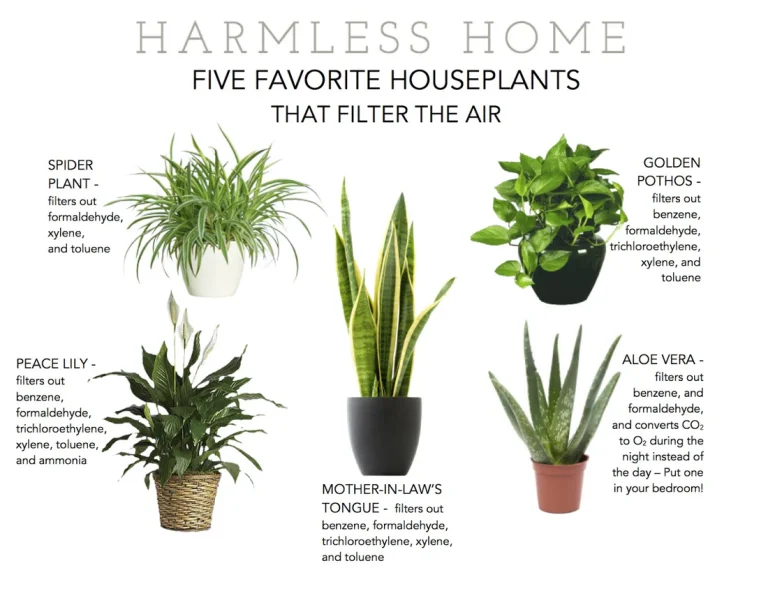
    The snake plant is one of the most recommended indoor plants because it is extremely hardy and can tolerate both bright and low-light conditions. Its tall, upright leaves give any room a modern appearance while requiring very little maintenance.

    The peace lily is another favorite among homeowners. Its elegant white flowers and deep green leaves bring a sense of calm to living spaces. It grows well in moderate indoor light and clearly lets you know when it needs water by gently drooping its leaves.

    Spider plants have remained popular for generations because they are easy to grow and produce attractive baby plants that can be replanted. Their long arching leaves add movement and softness to shelves, tables, and hanging baskets.

    The pothos plant is known for its beautiful trailing vines that grow well in many lighting conditions. It is often placed on bookshelves, cabinets, or hanging planters where its vines can flow naturally.

    Other excellent indoor choices include the ZZ plant, Chinese evergreen, rubber plant, bamboo palm, dracaena, English ivy, Boston fern, aloe vera, areca palm, and cast iron plant. Each of these has become a favorite because of its attractive appearance and ability to grow successfully inside ordinary homes.

    Rather than filling every room with dozens of plants, begin with just two or three that suit your available space and lighting conditions. As your confidence grows, you can gradually expand your indoor garden.

    Give Your Plants the Right Environment

    Even the easiest houseplants need the right growing conditions to stay healthy. Fortunately, creating a comfortable environment for indoor plants is usually simple.

    Light is one of the most important factors. Before choosing a plant, observe how much natural sunlight each room receives during the day. Bright windows are ideal for plants like aloe vera and snake plants, while peace lilies, pothos, and ZZ plants often tolerate lower light levels quite well.

    Avoid placing plants where they receive harsh afternoon sunlight for long periods unless the species naturally enjoys those conditions. Too much direct sunlight can damage delicate leaves, while too little light may slow healthy growth.

    Watering is another area where many beginners make mistakes. More plants are harmed by overwatering than underwatering. Instead of watering on a fixed schedule, check the soil with your finger. If the top layer feels dry, it is usually time to water. If the soil still feels damp, waiting another day or two is often the better choice.

    Containers should always have drainage holes to prevent water from collecting around the roots. Healthy roots need oxygen as well as moisture, and good drainage helps maintain this balance.

    Indoor plants also appreciate occasional cleaning. Dust naturally settles on leaves over time, reducing their ability to absorb sunlight efficiently. Wiping the leaves gently with a soft damp cloth every few weeks keeps them healthy while making them look fresh and vibrant.

    During the growing season, applying a balanced indoor plant fertilizer according to the instructions provides nutrients that encourage strong leaves and healthy growth. However, most indoor plants require only moderate feeding.

    Giving your plants a stable environment with comfortable temperatures and good air circulation helps them remain healthy throughout the year.

    Create a Home Filled with Living Greenery

    Indoor plants offer much more than practical benefits. They change the entire atmosphere of a home in subtle but meaningful ways.

    Imagine walking into your living room after a busy day and seeing healthy green plants beside the windows, on bookshelves, and in quiet corners. The room immediately feels more peaceful and welcoming. Even a single large plant can become a beautiful focal point that softens furniture and brightens the space.

    Different rooms benefit from different plants. A large areca palm or rubber plant can fill an empty corner in the living room. Pothos trailing from a shelf adds movement and texture. A peace lily beside a reading chair creates a calm atmosphere, while aloe vera fits perfectly on a sunny kitchen windowsill.

    Bedrooms also become more inviting with carefully chosen greenery. Compact plants placed on bedside tables or dressers add a natural touch without taking up much space.

    Bathrooms with higher humidity often suit plants such as Boston ferns, while home offices become more pleasant with a small collection of greenery that makes the workspace feel less formal.

    Combining plants of different heights, leaf shapes, and textures creates a natural balance that makes your indoor garden look professionally arranged. Mixing tall upright plants with trailing vines and compact tabletop plants adds depth without making the room appear crowded.

    Decorative pots also contribute to the overall design. Neutral ceramic containers, woven baskets, or simple clay pots allow the beauty of the plants to remain the main attraction while complementing almost every decorating style.

    The goal is not to turn your house into a jungle. Instead, thoughtful placement of a few healthy plants creates a fresh, balanced, and relaxing environment.

    Let Nature Become Part of Everyday Life

    One of the greatest joys of indoor gardening is watching your plants slowly grow over time. New leaves appear, stems become stronger, and each healthy plant reminds you that nature continues to thrive even inside your home.

    Caring for indoor plants also encourages a slower pace of life. Spending a few minutes watering, cleaning leaves, or checking for new growth becomes a peaceful daily habit that many people genuinely enjoy.

    Families often discover that children become fascinated by indoor plants as well. Watching leaves grow, learning about different species, and helping with watering teaches responsibility while encouraging curiosity about the natural world.

    Indoor plants also make thoughtful gifts for birthdays, housewarming celebrations, or holidays because they continue bringing beauty long after the occasion has passed. Many plants, such as spider plants and pothos, can even be propagated into new plants that you can share with friends and family.

    Do not worry if every plant does not grow perfectly at first. Every gardener occasionally overwaters a plant, places it in the wrong location, or loses one while learning. These experiences are simply part of becoming more confident with indoor gardening.

    As your collection grows, you may begin noticing how each plant has its own personality. Some grow quickly, while others develop slowly over many years. Some produce flowers, while others impress with beautiful foliage. Together they create a living collection that evolves with your home.

    In the end, improving your home’s environment naturally begins with simple choices. Opening windows regularly for fresh air, keeping your home clean, and adding healthy indoor plants all work together to create a more pleasant place to live. Snake plants, peace lilies, spider plants, pothos, ZZ plants, rubber plants, Chinese evergreen, areca palms, Boston ferns, aloe vera, dracaena, bamboo palms, English ivy, and cast iron plants have all become trusted favorites because they combine beauty with easy care.

    Whether you start with one plant or build a collection over time, every new leaf adds life to your home. These beautiful indoor plants do more than decorate a room. They create peaceful surroundings, encourage a connection with nature, and help transform ordinary living spaces into homes that feel fresh, welcoming, and full of life throughout the entire year.

  • Organic Pest Control Methods That Actually Work

    Organic Pest Control Methods That Actually Work

    Every gardener knows the excitement of seeing healthy plants grow. Tiny seedlings slowly develop into leafy vegetables, colorful flowers begin to bloom, and fruit starts appearing after weeks of careful watering and attention. Then one morning, you notice something unexpected. Leaves have small holes, flowers look damaged, or tiny insects are crawling across the stems. It can be disappointing to watch pests attack plants that you have worked so hard to grow.

    The first reaction for many people is to buy strong chemical pesticides. While these products may solve the problem quickly, they can also affect beneficial insects, pets, and the environment when not used carefully. Fortunately, experienced gardeners have long known that many pest problems can be managed naturally using safe and effective methods.

    Organic pest control is not about eliminating every insect from your garden. In fact, many insects are actually helpful. Bees pollinate flowers, butterflies support plant reproduction, and ladybugs feed on harmful pests. The goal of organic gardening is to create a healthy balance where plants remain strong while beneficial insects continue doing their important work.

    Whether you grow vegetables in your backyard, herbs on a balcony, or flowers in containers, natural pest control methods can help protect your garden without relying heavily on harsh chemicals. With patience and regular observation, you can enjoy healthy plants while keeping your garden environmentally friendly.

    Understand Which Insects Help and Which Ones Harm

    The first lesson every gardener learns is that not every insect is an enemy. Before taking any action, spend a few minutes observing what is happening in your garden.

    Imagine seeing a ladybug resting on one of your rose plants. At first glance, you may think it is another pest. In reality, ladybugs are among the gardener’s best friends because they feed on aphids, one of the most common plant pests. Similarly, bees and butterflies help pollinate flowers, allowing many fruits and vegetables to develop properly.

    Some insects, however, can become a problem when their numbers increase rapidly. Aphids gather on young stems and leaves, sucking plant sap and slowing healthy growth. Whiteflies often hide underneath leaves, while caterpillars chew noticeable holes in vegetables and flowers. Spider mites are tiny but can cause leaves to become spotted and unhealthy.

    Learning to recognize common garden pests helps you respond more effectively. Instead of spraying every insect you see, identify whether it is helping or harming your plants. This simple habit protects beneficial insects while allowing you to focus only on genuine problems.

    Healthy plants are naturally more resistant to pests. Plants that receive enough sunlight, water, and nutrients usually recover much faster from minor insect damage than weak or stressed plants. Building healthy soil with compost also strengthens plants, making them less attractive to certain pests.

    Regular observation is one of the most powerful organic gardening tools. Spending just a few minutes each day checking leaves, stems, and flowers allows you to discover small problems before they become serious infestations.

    Use Natural Solutions That Protect Your Garden

    Once harmful pests appear, many simple organic methods can control them without damaging the rest of your garden.

    One of the easiest techniques is removing pests by hand. Larger insects such as caterpillars or beetles can often be picked off plants and relocated. Although this may sound old-fashioned, it remains one of the most effective solutions for small gardens.

    Water can also become a useful tool. A gentle spray from a garden hose often removes aphids from leaves and stems. Once knocked off the plant, many of these insects struggle to return.

    Neem oil has become one of the most widely used organic gardening products because it helps control several common pests while remaining much gentler than many chemical pesticides when used correctly. Spraying affected plants according to the instructions can reduce insect populations without causing unnecessary harm to beneficial garden life.

    Insecticidal soaps made from natural ingredients are another popular option. These products work by affecting soft-bodied insects like aphids and whiteflies while leaving most larger beneficial insects unharmed when applied carefully.

    Companion planting offers another natural form of protection. Certain plants naturally discourage pests while attracting beneficial insects. Marigolds, for example, are often planted alongside vegetables because their scent helps reduce certain pest problems. Herbs such as basil, rosemary, and mint may also help discourage unwanted insects while adding beauty and fragrance to the garden.

    Homemade sprays made with garlic, mild soap, or chili peppers are sometimes used by gardeners as natural deterrents. While results vary depending on the pest and growing conditions, these simple solutions can provide additional protection when used carefully and tested on a small part of the plant first.

    The goal is not to eliminate every insect but to reduce pest populations enough for plants to continue growing successfully.

    Prevent Problems Before They Begin

    Experienced gardeners often say that prevention is easier than treatment. A healthy garden naturally experiences fewer pest problems because strong plants are better prepared to resist attacks.

    Keeping the garden clean is one of the simplest preventive measures. Remove dead leaves, fallen fruit, and damaged plant material regularly because these can become hiding places for insects and diseases.

    Proper spacing between plants is equally important. Crowded plants restrict air circulation, creating damp conditions that encourage pests and fungal diseases. Leaving enough space allows sunlight and fresh air to reach every part of the garden.

    Crop rotation is another valuable habit for vegetable gardeners. Growing the same vegetable in exactly the same location year after year allows certain pests to establish permanent populations. Changing planting locations each season interrupts their life cycle and reduces future problems.

    Watering correctly also helps prevent pest issues. Watering directly at the base of the plant instead of soaking the leaves reduces moisture that attracts certain insects and diseases. Morning watering allows excess moisture to dry naturally during the day.

    Healthy soil deserves special attention. Compost enriches the soil with nutrients while encouraging beneficial microorganisms that support plant health. Strong roots and healthy leaves naturally improve a plant’s ability to recover from occasional pest damage.

    Birds also become valuable garden helpers. Installing a simple bird feeder or birdbath may encourage insect-eating birds to visit your garden more frequently. Many bird species happily feed on caterpillars, beetles, and other pests throughout the growing season.

    When all these preventive practices work together, pest problems often become much smaller and easier to manage.

    Build a Garden That Thrives Naturally

    Organic gardening is built on patience rather than quick solutions. Instead of fighting nature, it works alongside natural processes to create a balanced environment where plants, insects, birds, and beneficial organisms all play important roles.

    Do not expect your garden to become completely insect-free. In a healthy ecosystem, a small number of pests is perfectly normal. In fact, beneficial insects need some pests as a food source. The goal is balance, not perfection.

    As your gardening experience grows, you will become more confident in recognizing healthy plants, identifying early warning signs, and choosing the most effective natural solutions. Many gardeners eventually discover that they rarely need strong chemical pesticides because regular observation and simple organic methods keep problems under control.

    Gardening also teaches patience. Sometimes natural predators take a few days to reduce pest populations. Sometimes a plant recovers surprisingly well after a minor insect attack. Learning to wait and observe often prevents unnecessary treatments.

    Children especially benefit from organic gardens because they can safely explore plants, insects, and flowers while learning about nature’s delicate balance. Watching bees pollinate flowers or ladybugs feed on aphids becomes an enjoyable lesson that no classroom can fully replace.

    Every season offers new opportunities to improve your garden. You may discover which companion plants work best, which flowers attract the most helpful insects, or how compost improves your soil year after year. These experiences gradually build a healthier and more productive garden.

    In the end, organic pest control is not simply about protecting plants. It is about creating an environment where nature works with you instead of against you. By identifying harmful pests correctly, encouraging beneficial insects, using natural treatments like neem oil and insecticidal soap, practicing companion planting, improving soil health, and maintaining regular garden care, you can grow healthy plants without depending heavily on harsh chemicals.

    The result is more than just a successful harvest. It is a garden filled with life, where flowers bloom, vegetables flourish, butterflies visit, birds sing, and beneficial insects quietly help keep everything in balance. That is the true reward of organic gardening, and it is something every gardener can achieve with patience, observation, and respect for nature.

  • Container Gardening Tips for Small Balconies and Apartments

    Container Gardening Tips for Small Balconies and Apartments

    Living in an apartment or a home with a small balcony does not mean giving up the dream of having a beautiful garden. In fact, some of the most creative gardens in the world grow in containers. A few colorful flower pots, fresh herbs on a windowsill, climbing plants along a balcony railing, or a small collection of vegetables can completely transform even the smallest outdoor space into a peaceful green retreat.

    Many people believe gardening requires a large backyard, but modern container gardening proves otherwise. With a little planning and the right plants, even a compact balcony can become a place where flowers bloom, herbs grow, and vegetables produce fresh harvests throughout the year.

    Container gardening is also perfect for busy homeowners and beginners. Plants are easier to manage, watering is more controlled, and you can move containers whenever sunlight or weather conditions change. Best of all, you do not need expensive equipment or years of gardening experience to get started.

    Whether you live in a city apartment, a condominium, or a house with limited outdoor space, container gardening allows you to enjoy nature just outside your door. Every small plant becomes part of a relaxing environment that makes your home feel brighter, healthier, and more welcoming.

    Make the Most of Every Small Space

    The first step in successful container gardening is understanding the space you have available. Instead of focusing on what your balcony lacks, think about all the possibilities it offers.

    Spend a day observing how sunlight moves across your balcony or patio. Some areas receive direct sunlight for several hours, while others remain shaded for most of the day. This simple observation helps you choose plants that naturally match your growing conditions.

    Vertical space is often the greatest advantage in small gardens. Walls, railings, shelves, and hanging baskets allow you to grow many more plants without taking up valuable floor space. A simple wall-mounted planter or hanging basket filled with herbs or flowers can instantly make a balcony feel lush and inviting.

    Corner spaces should not be overlooked either. A tall plant placed in one corner can soften the appearance of concrete walls while creating a natural focal point. Small tables or plant stands also help display containers at different heights, making the garden appear larger and more interesting.

    Keep enough walking space so the balcony remains comfortable to use. A crowded garden may look beautiful at first but can become difficult to maintain. Leaving open areas between containers allows plants to receive better air circulation while making watering and pruning much easier.

    Think of your balcony as another room in your home. Just as you carefully arrange furniture indoors, thoughtful placement of containers creates a balanced and relaxing outdoor space.

    Choose the Right Containers and Plants

    The success of any container garden begins with choosing suitable pots and healthy plants. Fortunately, there are many options that fit both small spaces and different budgets.

    Containers come in various materials, including clay, ceramic, plastic, metal, and wood. While each has its advantages, the most important feature is proper drainage. Every container should have drainage holes so excess water can escape. Healthy roots need both moisture and air, and standing water can quickly damage plants.

    The size of the container should match the plant you intend to grow. Herbs and flowers often thrive in smaller pots, while vegetables such as tomatoes, peppers, and eggplants usually require deeper containers that allow strong root development.

    Quality potting mix is equally important. Unlike ordinary garden soil, potting mix remains loose, drains well, and provides a healthy environment for container-grown plants.

    When selecting plants, consider both beauty and practicality. Herbs like basil, mint, parsley, rosemary, thyme, and chives grow exceptionally well in containers while providing fresh ingredients for everyday cooking.

    Flowers such as petunias, marigolds, geraniums, begonias, and pansies add bright colors throughout the growing season. If you enjoy growing vegetables, lettuce, spinach, radishes, beans, peppers, and cherry tomatoes are excellent choices for container gardens.

    Trailing plants create another beautiful effect. Plants that spill gently over the edges of containers soften hard balcony surfaces and create the appearance of a fuller garden.

    Mixing flowers, herbs, vegetables, and ornamental plants creates a lively and productive space that offers beauty as well as fresh harvests.

    Give Your Plants the Care They Need

    Container gardens require regular attention, but the daily tasks are simple and enjoyable. A few minutes each day are often enough to keep your plants healthy and thriving.

    Watering is usually the most important responsibility. Since containers hold less soil than traditional gardens, they tend to dry out more quickly, especially during warm weather. Checking the soil with your finger helps determine when watering is needed. If the top layer feels dry, the plants usually need moisture.

    Morning watering often produces the best results because plants have the entire day to absorb water before cooler evening temperatures arrive. Watering directly at the base of the plant also helps reduce the risk of leaf diseases.

    Fertilizing container plants is important because nutrients gradually wash out of the soil through regular watering. Applying a balanced fertilizer according to the product instructions helps support healthy growth, colorful flowers, and productive vegetables.

    Pruning also keeps container gardens attractive. Removing faded flowers encourages many flowering plants to continue blooming, while trimming herbs regularly promotes fresh new growth.

    Keep an eye on changing weather conditions. During extremely hot days, containers may require additional watering. Strong winds on high-rise balconies can also dry out plants more quickly, so moving lightweight pots into protected areas when necessary helps prevent damage.

    Cleaning fallen leaves, removing dead stems, and checking for insects every few days helps maintain a healthy garden while preventing small problems from becoming larger ones.

    These simple routines soon become part of everyday life, making container gardening both relaxing and rewarding.

    Watch Your Small Garden Grow into Something Special

    One of the greatest joys of container gardening is seeing how a small collection of plants gradually transforms your living space. What begins with just a few flower pots can soon become a colorful garden filled with herbs, vegetables, flowers, and greenery.

    Do not feel pressured to fill every available space immediately. Start with a handful of plants that match your balcony’s sunlight and your personal interests. As your confidence grows, you can slowly expand your collection over time.

    Gardening also changes with the seasons. Spring brings fresh growth and colorful flowers. Summer offers herbs and vegetables ready for harvest. Autumn introduces cooler temperatures that many leafy plants enjoy, while winter becomes a time to prepare for the next growing season or move sensitive plants indoors.

    Your balcony garden can also become a peaceful place to relax. A comfortable chair surrounded by greenery creates the perfect setting for reading, enjoying a morning cup of coffee, or simply taking a break after a busy day.

    Sharing fresh herbs, vegetables, or flowers with family, friends, and neighbors adds another rewarding dimension to gardening. Homegrown gifts often carry more meaning because they reflect the time and care invested in growing them.

    Most importantly, do not worry about making mistakes. Every gardener experiences plants that struggle, flowers that fade too early, or vegetables that produce less than expected. These moments are part of learning, and each season teaches valuable lessons that make future gardening more successful.

    Container gardening proves that you do not need a large backyard to enjoy the beauty of nature. A sunny balcony, a few well-chosen containers, healthy soil, and regular care are enough to create a thriving garden almost anywhere.

    In the end, the size of your garden matters far less than the enjoyment it brings. Every fresh herb picked for dinner, every colorful flower that blooms, and every new leaf that appears reminds you that even the smallest spaces can be filled with life. With thoughtful planning and a little patience, your balcony or apartment can become a beautiful green retreat that offers peace, beauty, and fresh harvests throughout the year.